
Authors: Sharif Islam, Wouter Addink, Soulaine Theocharides, and Sam Leeflang. We are proud to announce a major milestone: over five million digital specimens and digital media objects are now available in DiSSCo. You can see them right now on our DiSSCover platform! These resources are now live and can be referenced through their DOIs (DigitalContinue reading “Five million digital specimens and images in DiSSCo: millions more to come”
Tag Archives: Digital Specimen
The data model behind DiSSCo’s Annotation service
DiSSCo envisions discovering the untapped value within vast natural science collections across Europe and aims to connect these collections to related datasets and new insights using the FAIR Digital Object (FDO) framework. A key milestone toward this vision is the development of various data models and services that can help annotate and publish digital specimenContinue reading “The data model behind DiSSCo’s Annotation service”
Roundup of technical updates
Dear Readers, In this post, we would like to update you on some of the recent technical advancements that we have made. Our team has been working tirelessly on various aspects including PID infrastructure development, data modeling work, and both frontend and backend development of the DiSSCover interface. These updates have allowed us to enhanceContinue reading “Roundup of technical updates”
Roundup of technical updates
Dear Readers, In this post, we share some of our recent updates. We have been super busy with various technical developments. Here are a few highlights: Upcoming conference presentations 📺 We will be at The Biodiversity Information Standard (TDWG) 2022! This year the annual conference will be a hybrid meeting, hosted in Sofia, Bulgaria. AfterContinue reading “Roundup of technical updates”
Identifiers and contextual data
Persistent identifiers, their links to other identifiers and various contextual data are essential components of the DiSSCo architectural design. Here is a brief example to demonstrate the importance of these identifiers, linking them and providing enough contextual information to perform operations on the digital specimen objects. The example here also highlights some of the challengesContinue reading “Identifiers and contextual data”
Roundup of recent news
A lot has happened since our last post here. So a roundup of recent news. Our very own Wouter Addink presented DiSSCo at the Chinese national biodiversity informatics congress. This is a great initiative to facilitate global conversations around data and infrastructures. Several members of the DiSSCo Technical Team and members of DiSSCo Prepare WP5Continue reading “Roundup of recent news”
Natural Science Identifiers & CETAF Stable Identifiers
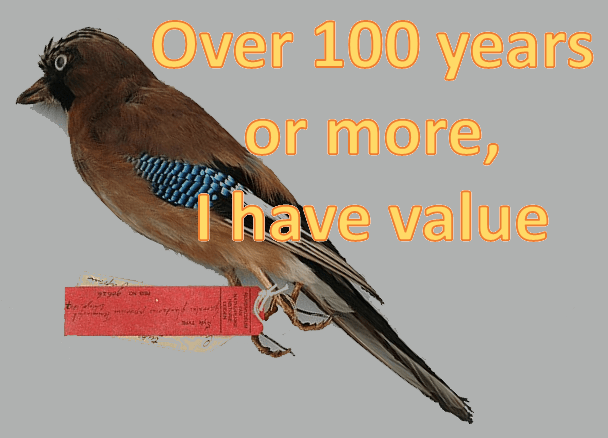
The DiSSCo Technical Team gets asked a lot about Natural Science Identifiers (NSId). What are they? Why do we need them in addition to CETAF Stable Identifiers? Are they just for DiSSCo/Europe or are they global? In this post we answer those questions. Q1. What is a Natural Science Identifier (NSId)? A Natural Science IdentifierContinue reading “Natural Science Identifiers & CETAF Stable Identifiers”
What is a Digital Specimen?
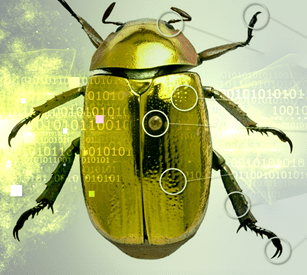
With projected lifespans of many decades, infrastructure initiatives such as Europe’s Distributed Systems of Scientific Collections (DiSSCo), USA’s Integrated Digitized Biocollections (iDigBio), National Specimen Information Infrastructure (NSII) of China and Australia’s digitisation of national research collections (NRCA Digital, available through the Atlas of Living Australia) aim at transforming today’s slow, inefficient and limited practices ofContinue reading “What is a Digital Specimen?”
 DiSSCoTech